

Benefits
GIM's team of inspectors, auditors and lab experts are specialized by industry to ensure your products meet all safety and performance standards for your destination market.
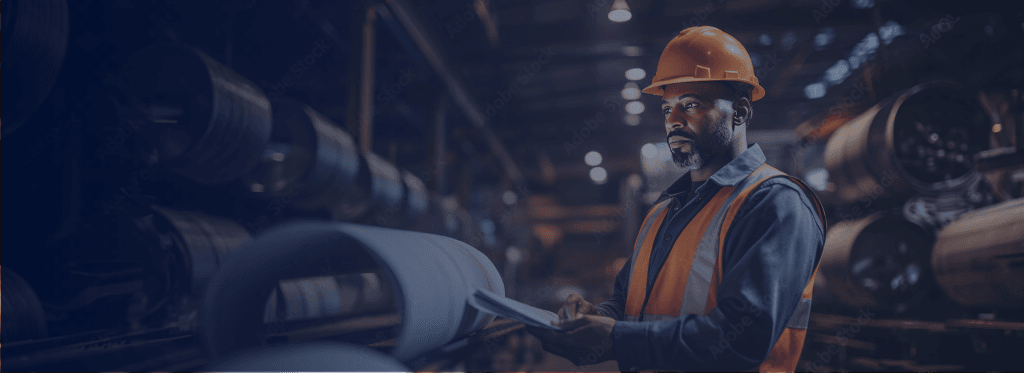
Quality control is a process by which we analyse the quality of all factors involved in production.
Quality control inspection is the process of checking and testing the products, its apply when the quality inspector regularly keeps an eye on a pre-established checklist that is based on the product specifications. Inspected products can be the components used for production, semi-finished goods or finished goods.
The ISO 2859 standard defines an inspection as a process such as measuring, examining, testing or evaluating one or more characteristics of a product or service, and comparing the results with specified requirements in order to establish whether conformity is achieved for each characteristic.
Quality control Inspection can arise at several stages before, during or after inspection:
Make sure the quality of incoming raw materials is a critical first step in most industrial processes. Identification of non-conforming materials can improve operational performance and save valuable time. In pre-production inspection process, we achieve real-time result & Decrease out-of-spec product and waste. Quality control inspection is at least equally important during the manufacturing process to improve product quality and to increase profitability.
Initial Production Check can easily reduce quality risk, and the input can be checked prior to manufacturing. Mostly speaking, pre-production inspections are improved to customized and complex products. More standard items should be inspected during production.
During Production Check is the second last stage of quality control inspections, it is performed when production is almost completed (20% to 80 %) & packed for shipping.If find any mistakes in production at this stage, the industry can immediately take some corrective actions and avoid delays.
Pre-shipment inspection is a part of quality control inspection method for checking the quality of goods that is clients buy from suppliers, this is a vital part of supply chain management.
Pre Shipment Inspection occurs when at least 80% of the products are manufactured and packaged. In which process a sample of products is selected and a series of tests are performed to control functions, weight, measurements, packaging and bar codes. Pre-shipment inspection can moderate risks naturally to all commerces and industries.
Our inspectors control your products according to your specifications and inspection standards ANSI / ASQC Z1.4 (ISO 2859-1). These inclusive criteria cover: functionality, performance, durability, overall appearance, and dimension.
Quality control inspection is a part of quality management of product, it focused on fulfilling quality requirements and some of the importance or benefits of quality control inspection are:
GIM's team of inspectors, auditors and lab experts are specialized by industry to ensure your products meet all safety and performance standards for your destination market.